


Study Commission On Doctrine (SCOD)
Position Papers
The Study Commission on Doctrine is a standing committee for discussion of matters related to doctrine, membership, and ritual. It also acts as the editorial board for The Manual of the Free Methodist Church in Canada. The commission comprises nine members, both lay and ministerial, elected by the General Conference.
John Wesley read broadly, and sought God’s truth wherever it could be found. Free Methodists strive to follow Wesley’s example in exploring issues that are being discussed in church and secular cultures.
This page is maintained by the Study Commission on Doctrine (SCOD) of the Free Methodist Church In Canada, and much of the material found here has been written either by the SCOD or other Free Methodists.
Here you will find a variety of articles, academic papers, and media resources on topics of interest to both Free Methodists as well as the general public. There are also several helpful pastoral and liturgical resources.
Please Note:
Among all the resources on this page, only the following two documents communicate official positions of the Free Methodist Church in Canada: The Articles of Religion of The Free Methodist Church (denominational doctrinal statements) and The Christian Journey (pastoral teaching followed by personal and social lifestyle applications).
In addition, a reference to a writer’s work in a footnote or bibliography is not a blanket endorsement by the Free Methodist Church of that writer’s perspective.
Resources by Topic
- A Vision of Holiness for God’s People
- Defining the Elements of a Methodist Ethos
- Identifying Ministry & Life That Is Wesleyan
- Justification: “Clean Slate?”
- Sanctification: Free Methodist Position
- Sanctification: Saved to the Uttermost
- The World through a Wesleyan Lens
- Seven Steps Toward Free Methodist Renewal
- The Free Methodist Synthesis
- The Story of Christian Perfection
- Wesley’s Means of Grace
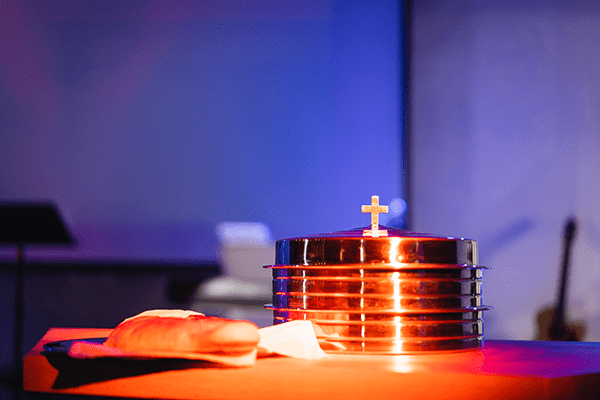
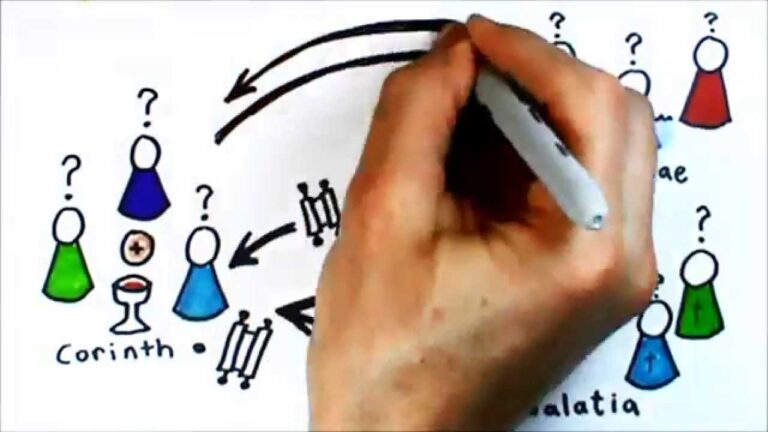
Three Minute Theology Videos
Three Minute Theology attempts to explain key theological concepts of the Christian Faith in 3 1/2 minutes or less.
The following authors, who are members of the FMCIC, have written substantial papers on pastoral, theological, biblical or ecclesiological topics. Many of these are academic theses which have been approved by an academic institution, or are papers that have been presented at a recognized public forum. The titles of their papers are listed below.
In an effort to protect the work of these authors from misuse, please contact the Ministry Centre if you are interested in obtaining a copy of any of these papers. Your request(s) for a copy of a paper will be sent to the author(s).

The Story of Christian Perfection: the Perfection Narrative of George Clark and Other Friends of John Wesley
by Amy Caswell
The doctrine of Christian perfection was both a distinctive of eighteenth-century Methodism and the source of much debate. John Wesley spoke often of Christian perfection and yet never claimed to have had the experience himself. This paper examines the doctrine by looking at the narratives of the experience of Christian perfection that were shared among the early Methodists, particularly the narrative of Mr. George Clark, of London.
by Rob Clements
This paper explores controversies surrounding the publication of the first biographies of John Wesley, and discusses the ways in which these publications shaped Methodist self-identity in the early nineteenth century.
by Cliff Fletcher
Discipleship and sacrament are potential avenues of renewal in the Free Methodist Church in Canada. Growing out of Jesus’ own model, history (noting the Wesleyan contribution) and current cultural realities, the proposed model shows how discipleship, integrated to the themes and practice of the Eucharist (sacramental discipleship) can ignite reform and renewal.
by Dale Harris
by Matthew McEwen
This work explores the theology of the atonement through the use of imagery and poetry.
by Matthew McEwen
This paper is an examination of Wesley’s Survey of the Wisdom of God in creation.
by Bob Munshaw
The focus of the paper is on the early missional impulse of the FMC. Beginning with an examination of an article written by John Wesley Redfield, I assess both the theological anthropology and normative praxis in late 19th and early 20th century FM missions.
by Howard Olver
“A Theology for Reaching the City” explores a biblical perspective on why Christians should be concerned with reaching the city with the transforming power of the Gospel and the guidance God gives us in how to do it.
by Chris Payk.
The Wesley brothers believed that salvation begins with prevenient grace, wherein God reaches incorrigibly sinful and spiritually depraved people, provides the spark of light needed to see the way to the Father’s Kingdom, and imparts the power to begin the journey. In John Wesley’s Doctrine of Prevenient Grace & Its Import for Christian Mission, Chris Payk examines what the early Wesleyan-Methodist tradition says about how salvation begins: (prevenient grace) and addresses the following questions, “What did John Wesley think prevenient grace is and does,” and “What contribution does this Wesleyan doctrine make to contemporary Christian mission?”
by Mary-Elsie Wolfe
How can local Free Methodist churches live out Jesus’ commission in Spirit-led ministry that impacts, in amazing new ways, their Jerusalem, Judea, Samaria and all the ends of the earth (Acts 1:8)? Often local churches are neither equipped nor motivated to think missionally, but do want to make a difference globally. The denomination can help them by ‘sharing of information’, ‘establishing boundaries’ and encouraging healthy local ‘teams’ through a “B.U.G” philosophy (Building Indigenous leaders, Seeking Unreached people groups and exercising Global stewardship). This model seeks to help churches break out of discouragement and passivity resulting from enormous and rapid cultural change everywhere in recent years.
John Wesley read broadly, and sought God’s truth wherever it could be found. Free Methodists strive to follow Wesley’s example in exploring issues that are being discussed in church and secular cultures.
This page is maintained by the Study Commission on Doctrine (SCOD) of the Free Methodist Church In Canada, and much of the material found here has been written either by the SCOD or other Free Methodists.
Here you will find a variety of articles, academic papers, and media resources on topics of interest to both Free Methodists as well as the general public. There are also several helpful pastoral and liturgical resources.
Pastoral Letter about Marriage and sexuality
After months of work by the Study Commission on Doctrine (SCOD), I am pleased to offer you this Pastoral Letter on Marriage and Sexuality. It comes with the unanimous endorsement of the National Leadership Team (NLT) and the Board of Administration (BOA).
Please Note:
Among all the resources on this page, only the following two documents communicate official positions of the Free Methodist Church in Canada: The Articles of Religion of The Free Methodist Church (denominational doctrinal statements) and The Christian Journey (pastoral teaching followed by personal and social lifestyle applications).
In addition, a reference to a writer’s work in a footnote or bibliography is not a blanket endorsement by the Free Methodist Church of that writer’s perspective.
Resources by Topic
- A Vision of Holiness for God’s People
- Defining the Elements of a Methodist Ethos
- Identifying Ministry & Life That Is Wesleyan
- Justification: “Clean Slate?”
- Sanctification: Free Methodist Position
- Sanctification: Saved to the Uttermost
- The World through a Wesleyan Lens
- Seven Steps Toward Free Methodist Renewal
- The Free Methodist Synthesis
- The Story of Christian Perfection
- Wesley’s Means of Grace
PASTORAL LETTER ABOUT MARRIAGE AND SEXUALITY
PASTORAL LETTER ABOUT MARRIAGE AND SEXUALITY
November 12, 2025
After months of work by the Study Commission on Doctrine (SCOD), I am pleased to offer you this Pastoral Letter on Marriage and Sexuality. It comes with the unanimous endorsement of the National Leadership Team (NLT) and the Board of Administration (BOA).
How to Register Your Delegates
STEP 1- Calculate the number of Delegates for your Church
STEP 2 – Submit Delegate(s) and Reserve Delegate information
STEP 3 – Download / Complete Credential form, and submit.
For more information on how many delegates your church qualifies for please refer to the Manual: fmcic.ca/manual/chapter-3-local-church-organization
For more information on how to complete the form, please contact support@fmcic.ca.
Please complete the form below, and the number of delegates your church qualifies for will automatically adjust. / Veuillez remplir le formulaire ci-dessous; le nombre de délégués auquel votre église a droit s’ajustera automatiquement.